
There is a way to pass your house, your car, and your bank accounts straight to your kids without probate — no trust, no complex drafting. In Texas it's called a transfer-on-death designation, and it works exactly as advertised. The problem is what it does to the rest of your plan if you're not intentional.
What is a transfer-on-death designation?
A transfer-on-death — "TOD" — designation names who receives a specific asset the moment you die, with no probate court necessary. In our last video we covered trusts, which do some of the same probate-avoidance work. A TOD designation is the simpler cousin: narrower, cheaper, and tied to one asset at a time.
Texas gives you three main ways to do it. You can record a transfer-on-death deed for real estate. You can add a payable-on-death (POD) designation to a bank account or a TOD registration to a brokerage account. And you can name a beneficiary on a vehicle title through the Texas DMV. Each one passes that single asset directly to the person you named.
What's the catch?
Mindful planning can be flawed. A TOD or POD designation overrides your will. It doesn't matter what your will says about that asset — the named beneficiary takes it directly, outside the will entirely.
Picture a will that splits everything equally among three children. But your largest bank account is payable-on-death to just one of them. That one child receives the whole account. The other two have no claim to it, no matter how clearly your will called for an equal split. The designation wins.
That's not a flaw in the law — it's how these tools are built to work. The danger is that people set them up years apart, forget about them, and never check whether they still match the plan.
The deed has it's own catch
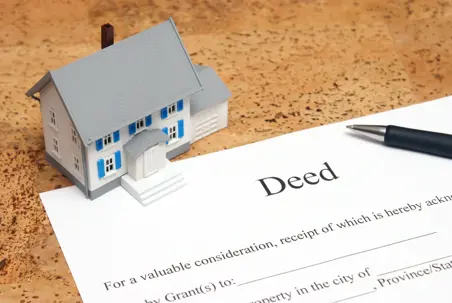
A transfer-on-death deed for your home carries an extra wrinkle. Under Texas law, if your estate can't cover your debts, the real estate transferred by TOD deed can be reached by creditors for up to two years after your death — even after your children have it. The home isn't "out of reach".
What's the problem?
The core issue is that TOD designations don't talk to each other, and they don't talk to your will. Each one operates on its own. Add a new account, retitle a vehicle, record a deed — and unless you track all of it together, the pieces drift out of alignment.
So when does a TOD designation make sense?
Used deliberately, these are excellent tools — simple, inexpensive, and effective for the right asset and the right family. Used by accident, they quietly override the plan you paid a lawyer to build. The goal is to make every designation a deliberate part of the plan, not a surprise hiding inside it.
This is general information about Texas law, not legal advice, and does not create an attorney-client relationship. If you're not sure whether your beneficiary designations still line up with your will — or whether you even have one you've forgotten about — that's worth a conversation.